
Articles | Volume 69, issue 4
https://doi.org/10.5194/aab-69-665-2026
© Author(s) 2026. This work is distributed under
the Creative Commons Attribution 4.0 License.
the Creative Commons Attribution 4.0 License.
https://doi.org/10.5194/aab-69-665-2026
© Author(s) 2026. This work is distributed under
the Creative Commons Attribution 4.0 License.
the Creative Commons Attribution 4.0 License.
Original study
| 
12 Nov 2026
Original study |
| 12 Nov 2026
| 12 Nov 2026
The impact of dietary vegetable oil sources with or without vitamin E supplementation on the productive performance and egg yolk lipids of quail breeders
Nahed S. H. Abo Egila
Department of Animal and Fish Production, Faculty of Agriculture (Saba Basha), Alexandria University, Alexandria, Egypt
Waleed M. Dosoky
Department of Animal and Fish Production, Faculty of Agriculture (Saba Basha), Alexandria University, Alexandria, Egypt
Mohamed H. Ahmed
Department of Animal and Fish Production, Faculty of Agriculture (Saba Basha), Alexandria University, Alexandria, Egypt
Soliman M. Zahran
Department of Animal and Fish Production, Faculty of Agriculture (Saba Basha), Alexandria University, Alexandria, Egypt
Ahmed Sh. Awad
Animal Production Research Institute, Agriculture Research Center, Giza, Egypt
Ayman S. Salah
Department of Nutrition and Clinical Nutrition, Faculty of Veterinary Medicine, New Valley University, El-Kharga, Egypt
Mohamed S. El-Kholy
Department of Poultry, Faculty of Agriculture, Zagazig University, Zagazig, Egypt
Maha Abdelhaseib
Animal Science Department, Purdue University, West Lafayette, IN 47906, USA
Mohamed M. Habib
Department of Poultry, Faculty of Agriculture, Zagazig University, Zagazig, Egypt
Mahmoud Alagawany
CORRESPONDING AUTHOR

Department of Poultry, Faculty of Agriculture, Zagazig University, Zagazig, Egypt
Mahmoud M. Azzam
CORRESPONDING AUTHOR
Department of Animal Production, College of Food and Agricultural Sciences, King Saud University, Riyadh, Saudi Arabia
Related authors
Ibrahim T. El-Ratel, Khaled H. El-Kholy, Soma M. Elgmmal, Sara Fikry Fouda, Abdel-Khalek E. Abdel-Khalek, Mahmoud A. Hassan, Mahmoud M. Azzam, Mahmoud Alagawany, and Antonia Lestingi
Arch. Anim. Breed., 68, 43–55, https://doi.org/10.5194/aab-68-43-2025, https://doi.org/10.5194/aab-68-43-2025, 2025
Short summary
Short summary
This study evaluated the impacts of selenium nanoparticles (SeNPs), zinc oxide nanoparticles (ZnONPs), and a combination of SeNPs and chromium (Cr) or ZnONPs and Cr on growth, caecal microbiota, antioxidant capacity in blood and liver tissue, and inflammatory cytokines in heat-stressed rabbits. SeNPs or ZnONPs with chromium can be recommended as an effective intervention to mitigate the negative impacts of heat stress by enhancing growth and immunity and promoting metabolic processes.
Nouran Elsayed, Abd Elrahman E. Mandour, Mamdouh K. A. Amin, Fayiz M. Reda, Heba S. A. Taha, Alessandro Di Cerbo, Mahmoud M. Azzam, and Mahmoud Alagawany
Arch. Anim. Breed., 67, 285–295, https://doi.org/10.5194/aab-67-285-2024, https://doi.org/10.5194/aab-67-285-2024, 2024
Short summary
Short summary
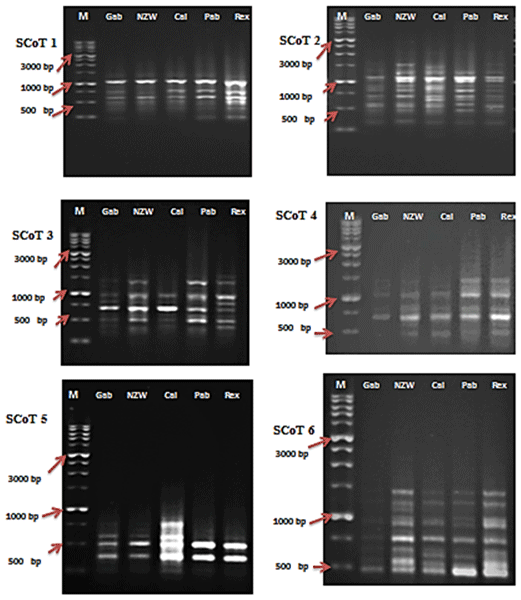
It was suggested that the start codon targeted (SCoT) markers may be more effective than inter-simple sequence repeat (ISSR) for differentiating and identifying the genetic variations within investigated breeds. Also, the usage of molecular markers of SCoT and ISSR may be more proper for calculating genetic diversity and common ancestry among tested rabbit breeds.
Sabry A. A. El-Sayed, Ahmed A. Allam, Seham M. Ibrahim, Mohamed S. A. Attia, El-Sayed I. Hassanein, Hassan A. Rudayni, Abdullah S. Alawam, and Mahmoud Alagawany
Arch. Anim. Breed., 69, 77–88, https://doi.org/10.5194/aab-69-77-2026, https://doi.org/10.5194/aab-69-77-2026, 2026
Short summary
Short summary
In the production of chicken, phytobiotics have the potential to replace antibiotics. This experiment was carried out to investigate the impact of phytogenic feed additives (NUQO©NEX) as a natural growth promoter on growth parameters and economic efficiency measurements. Broiler chickens fed a diet supplemented with NUQO©NEX showed positive effects on the overall performance, cholesterol, antioxidant status and immune state, carcass quality traits, and economic effectiveness measurements.
Rana Muhammad Bilal, Hassan A. Rudayni, Faiz Ul Hassan, Muhammad Uzair Akhtar, Kashif Prince, Abdullah S. Alawam, Ahmed A. Allam, Mayada Ragab Farag, Asmaa F. Khafaga, Ayman E. Taha, and Mahmoud Alagawany
Arch. Anim. Breed., 68, 731–742, https://doi.org/10.5194/aab-68-731-2025, https://doi.org/10.5194/aab-68-731-2025, 2025
Short summary
Short summary
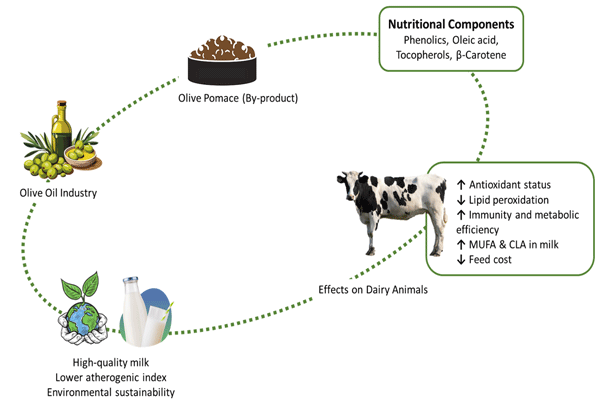
This review mainly focuses on the effects of olive pomace inclusion in animal feed on milk production, growth performance, nutrient digestibility, feed efficiency, and health status of the animals. Overall, dietary olive pomace resulted in satisfactory response of the animals in terms of its addition in diets as a cheap nutrient source and improved quality of animal products.
Mohammed E. Ghonime, Fathy Abdelazeem, Reham A. M. Ali, Mohamed M. Hamed, Waleed A. Hassan, Layla A. Almutairi, Mohammed A. Alqahtani, Suad H. Almasoudi, and Mahmoud Alagawany
Arch. Anim. Breed., 68, 531–539, https://doi.org/10.5194/aab-68-531-2025, https://doi.org/10.5194/aab-68-531-2025, 2025
Short summary
Short summary
The present study evaluated the effects of fennel seed meal (FSM) on performance, carcass characteristics, lengths of digestive tract parts (cm), intestinal enzyme activity, intestinal microbiology, blood parameters, and economic efficiency in broiler chickens. It is concluded that fennel seed meal can be used in up to 20 % of broiler chicken diets to reduce feed costs without adverse effects on broilers' growth performance and public health.
Ibrahim T. El-Ratel, Khaled H. El-Kholy, Soma M. Elgmmal, Sara Fikry Fouda, Abdel-Khalek E. Abdel-Khalek, Mahmoud A. Hassan, Mahmoud M. Azzam, Mahmoud Alagawany, and Antonia Lestingi
Arch. Anim. Breed., 68, 43–55, https://doi.org/10.5194/aab-68-43-2025, https://doi.org/10.5194/aab-68-43-2025, 2025
Short summary
Short summary
This study evaluated the impacts of selenium nanoparticles (SeNPs), zinc oxide nanoparticles (ZnONPs), and a combination of SeNPs and chromium (Cr) or ZnONPs and Cr on growth, caecal microbiota, antioxidant capacity in blood and liver tissue, and inflammatory cytokines in heat-stressed rabbits. SeNPs or ZnONPs with chromium can be recommended as an effective intervention to mitigate the negative impacts of heat stress by enhancing growth and immunity and promoting metabolic processes.
Fayiz M. Reda, Ayman S. Salah, Youssef A. Attia, Rashed A. Alhotan, Mohamed A. Mahmoud, Alessandro Di Cerbo, and Mahmoud Alagawany
Arch. Anim. Breed., 67, 445–454, https://doi.org/10.5194/aab-67-445-2024, https://doi.org/10.5194/aab-67-445-2024, 2024
Short summary
Short summary
The goal of the current study was to determine how dietary black pepper oil (BPO) supplementation affected growth performance, characteristics of growing quails' immunity, antioxidant status, and carcass yield. In conclusion, dietary BPO supplementation in Japanese quails' diet can boost growth performance and antioxidant indices, enhance lipid profile and carcass traits, and reduce intestinal infections.
Nouran Elsayed, Abd Elrahman E. Mandour, Mamdouh K. A. Amin, Fayiz M. Reda, Heba S. A. Taha, Alessandro Di Cerbo, Mahmoud M. Azzam, and Mahmoud Alagawany
Arch. Anim. Breed., 67, 285–295, https://doi.org/10.5194/aab-67-285-2024, https://doi.org/10.5194/aab-67-285-2024, 2024
Short summary
Short summary
It was suggested that the start codon targeted (SCoT) markers may be more effective than inter-simple sequence repeat (ISSR) for differentiating and identifying the genetic variations within investigated breeds. Also, the usage of molecular markers of SCoT and ISSR may be more proper for calculating genetic diversity and common ancestry among tested rabbit breeds.
Ibrahim T. El-Ratel, Mahmoud H. EL-Deep, Nada K. Alharbi, Worood A. A. Alyoubi, Khaled H. El-Kholy, Ahmed A. Badawy, Ahmed Ezzat Ahmed, Mohammed F. M. El Basuini, Mahmoud Alagawany, and Sara F. Fouda
Arch. Anim. Breed., 67, 185–195, https://doi.org/10.5194/aab-67-185-2024, https://doi.org/10.5194/aab-67-185-2024, 2024
Short summary
Short summary
The present study aimed to evaluate the impact of dietary lysozyme levels on the growth performance, hematological and blood biochemical parameters, immunity, antioxidant capacity, and intestinal microbial count in broiler chickens. In conclusion, chicken egg lysozyme (50 mg kg−1), a promising alternative for antibiotics in broiler chickens' diet, can enhance growth performance, antioxidant status, immunity, and intestinal microbiota.
Mohammed H. Alzawqari, Mustafa Shukry Atta, Abdallah Metwally, Shaimaa Selim, Mohammad A. M. Wadaan, In Ho Kim, Sungbo Cho, Hossam M. Eltahan, Mahmoud Alagawany, Rashed A. Alhotan, Ali R. Al Sulaiman, Elsayed Osman Hussein, and Ahmed A. Saleh
Arch. Anim. Breed., 66, 451–460, https://doi.org/10.5194/aab-66-451-2023, https://doi.org/10.5194/aab-66-451-2023, 2023
Short summary
Short summary
This study aimed to show the effect of bile acid (BA) and xylanase (Xyl) supplementation on growth, fat digestibility, serum lipid metabolites, and ileal digesta viscosity of broilers fed wheat and tallow in their diets. The results of this trial revealed that the supplementation of Xyl significantly reduced the ileal digesta viscosity, and the supplementation of BA significantly increased the attention of serum lipid metabolites.
Alaa E. Elkomy, Amina S. El-Saadany, Effat Y. Shreif, Amal A. Bayoumi, Marwa H. Abd El-Maged, Mahmoud Alagawany, Ahmed A. Saleh, Sungbo Cho, In Ho Kim, and Hossam M. Eltahan
Arch. Anim. Breed., 66, 379–390, https://doi.org/10.5194/aab-66-379-2023, https://doi.org/10.5194/aab-66-379-2023, 2023
Short summary
Short summary
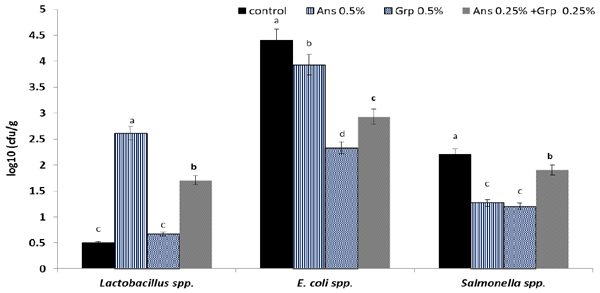
This trial was performed to determine the effect of anise (Ans) and grape seed (Grp) oil inclusion in diets of Japanese quail on performance, carcasses, blood parameters, antioxidant activity, and hematological blood structure. It is concluded that Ans and Grp seed oils could be used as valuable essential oils in quails’ diets to stimulate the performance and immune response, enhance antioxidant activity, and reduce caecal pathogenic microbes.
Cited articles
Abo Egila, N. S. H., Dosoky, W. M., Khisheerah, N. S. M., Ahmed, M. H., Zahran, S. M., Almohmadi, N. H., Abusudah, W. F., Kamal, M., Moustafa, M., Tellez-Isaias, G., Al-Shehri, M., and Abd El-Hack, M. E.: Does dietary linseed or canola oil affect lipid metabolism, immunity, and n-3 polyunsaturated fatty acids content in quail eggs, Poultry Sci., 102, 103116, https://doi.org/10.1016/j.psj.2023.103116, 2023.
Abd-El-Maksoud, A. A.: Effect of vitamin E supplementation on performance of laying hens during summer months under the desert conditions, Poult. Sci. J., 26, 873–889, 2006.
Akbarian, A., Golian, A., Ahmadi, Sh., and Moravej, H.: Effects of ginger root (Zingiber Officinale) on egg yolk cholesterol, antioxidant status and performance of laying hens, J. Appl. Anim. Res., 39, 19–21, https://doi.org/10.1080/09712119.2011.558612, 2011.
Alagawany, M., Elnesr, S. S., Farag, M. R., Abd El-Hack, M. E., Khafaga, A. F., Taha, A. E., Tiwari, R., Yatoo, M. I., Bhatt, P., Khurana, S. K., and Dhama, K.: Omega-3 and Omega-6 fatty acids in poultry nutrition: effect on production performance and health, Animals, 9, 573, https://doi.org/10.3390/ani9080573, 2019.
Alagawany, M., Elnesr, S. S., Farag, M. R., ElSabrout, K., Alqaisi, O., Dawood, M. A. O., Soomro, H., and Abdelnour, S. A.: Nutritional significance and health benefits of omega-3, -6 and -9 fatty acids in animals, Anim. Biotechnol., 33, 1678–1690, https://doi.org/10.1080/10495398.2020.1869562, 2021.
Alhayaly, N., H., Saadi, A. M., and Younis, D. T.: Use of Linseed oil and animal tallow in nutrition and its effect on blood Characteristics and meat composition in Broilers, Egy. J. Vet. Sci., 55, 435–442, https://doi.org/10.21608/ejvs.2023.234921.1604, 2024.
Allain, C. C., Poon, L. S., Chan, C. S. G., Richmond, W., and Fu, P. C.: Enzymatic determination of total serum cholesterol, Clin. Chem., 20, 470–475, https://doi.org/10.1093/clinchem/20.4.470, 1974.
Augustyn, R., Barteczko, J., and Smulikowska, S.: The effect of feeding regular or low α-linolenic acid linseed on laying performance and total cholesterol content in eggs, J. Anim. Feed Sci., 15, 103–106, https://doi.org/10.22358/jafs/70153/2006, 2006.
Aziza, A. E., Panda, A. K., Quezada, N., and Cherian, G.: Nutrient digestibility, egg quality, and fatty acid composition of brown laying hens fed camelina or flaxseed meal, J. Appl. Poultry. Res., 22, 832–841, https://doi.org/10.3382/japr.2012-00612, 2013.
Bansal, M. P. and Kaur, P.: Selenium, a versatile trace element: Current research implications, Indian J. Exp. Biol., 43, 1119–1129, https://europepmc.org/article/med/16359122 (last access: 29 October 2026), 2005.
Behesti Moghadam, M. H., Shahab, A., and Cherian, G.: Production performance, quality and lipid composition of eggs from laying hens fed heated flaxseed with carbohydrase enzymes, J. Appl. Poultry. Res., 28, 1–9, https://doi.org/10.3382/japr/pfy073, 2019.
Brelaz, K. C. B. T. R., Cruz, F. G. G., Brasil, R. J. M., Silva, A. F., Rufino, J. P. F., Costa, V. R., and Viana Filho, G. B.: Fish waste oil in laying hens diets, Braz. J. Poult. Sci., 21, eRBCA-2019-0875, https://doi.org/10.1590/1806-9061-2019-1069, 2019.
Celebi, S. and Utlu, N.: Influence of animal and vegetable oil in layer diets on performance and serum lipid profile, Int. J. Poult. Sci., 5, 370–373, https://doi.org/10.3923/ijps.2006.370.373, 2006.
Cherian, G., Traber, M. G., Goeger, M. P., and Leonard, S. W.: Conjugated linoleic acid and fish oil in laying hen diets: effects on egg fatty acids, thiobarbituric acid reactive substances, and tocopherols during storage, Poultry Sci., 86, 953–958, https://doi.org/10.1093/ps/86.5.953, 2007.
Domínguez, R., Pateiro, M., Gagaoua, M., Barba, F. J., Zhang, W., and Lorenzo, J. M.: A comprehensive review on lipid oxidation in meat and meat products, Antioxidants, 8, 429, https://doi.org/10.3390/antiox8100429, 2019.
Duncan, D.B.: Multiple Range and Multiple F-test, Biometrics, 11, 1–42, https://www.jstor.org/stable/3001478 (last access: 29 October 2026), 1955.
Ebeid, T., Eid, Y., Saleh, A., and Abd El-Hamid, H.: Ovarian Follicular Development, Lipid Peroxidation, Antioxidative Status and Immune Response in Laying Hens Fed Fish Oil Supplemented Diets to Produce Omega-3 Enriched Eggs, Animal, 2, 84–91, https://doi.org/10.1017/S1751731107000882, 2008.
Ebeid, T., Fayoud, A., Abou El-Soud, S., Eid, Y., and El-Habbak, M.: The effect of omega-3 enriched meat production on lipid peroxidation, antioxidative status, immune response and tibia bone characteristics in Japanese quail, Czech J. Anim. Sci., 56, 314–324, https://doi.org/10.17221/1293-CJAS, 2011.
Egila, N. S. A., Dosoky, W. M., Khisheerah, N. S., Ahmed, M. H., Zahran, S. M., Almohmadi, N. H., Alrashidi, M. H., Alsubaie, F. M., and Abd El-Hack, M. E.: Does dietary linseed or canola oil affect lipid metabolism, immunity, and n-3 polyunsaturated fatty acids content in quail eggs?, Poultry Sci., 102, 103116, https://doi.org/10.1016/j.psj.2023.103116, 2023.
Eid, Y., Ebeid, T., Moawad, M., and El-Habbak, M.: Reduction of dexamethasone-induced oxidative stress and lipid peroxidation in laying hens by dietary vitamin E supplementation, Emir. J. Food Agr., 20, 28–40, 2008.
Elkin, R. G.: Reducing shell egg cholesterol content. 1. Overview, genetic approaches, and nutritional strategies, World's Poulttry Sci. J., 62, 665–687, 2006.
Faitarone, A. B. G., Garcia, E. A., Roça, R. O., Andrade, E. N., Vercese, F., and Pelícia, K.: Yolk Color and Lipid Oxidation of the Eggs of Commercial White Layers Fed Diets Supplemented with Vegetable Oils, Braz. J. Poult. Sci., 18, 009-016, https://doi.org/10.1590/1516-635X1801009-016, 2016.
Folch, J., Lees, M., and Sloane-Stanley, G. H.: A simple method for the isolation and purification of total lipids from animal tissues, J. Biol. Chem., 226, 497–507, 1957.
Gao, Z., Zhang, J., Li, F., Zheng, J., and Xu, G.: Effect of Oils in Feed on the Production Performance and Egg Quality of Laying Hens, Animals, 11, 3482, https://doi.org/10.3390/ani11123482, 2021.
Ghobadi, S., Hassanzadeh-Rostami, Z., Mohammadian, F., Zare, M., and Faghih, S.: Effects of Canola Oil Consumption on Lipid Profile: A Systematic Review and Meta-Analysis of Randomized Controlled Clinical Trials, J. Am. Coll. Nutr., 38, 185–196, https://doi.org/10.1080/07315724.2018.1475270, 2019.
Giampietro, A., Scatolini, A. M., Boiago, M. M., Coró, D. M. O., Souza Alves, H. B., and Souza, P. A.: Estudo da metodologia de TBARS em ovos, Produç. Anim., 13, p. 18, 2008.
Golzar Adabi, S. H., Hajibabaei, A., Casey, N. H., and Bayraktaroglu, A. G.: The effects of various dietary vegetable oil sources on villi morphology and liver aldehydes in young layers, S. Afr. J. Anim. Sci., 46, https://hdl.handle.net/10520/EJC187300 (last access: 29 October 2026), 2016.
Gómez, M.: Modulaç.O Da Composiç.O De Ácidos Graxos Poliinsaturados Ômega 3 De Ovos E Tecidos De Galinhas Poedeiras, Através Da Dieta. I: estabilidade oxidativa, S.o Paulo (SP), thesis, Universidade de S.o Paulo, https://pesquisa.bvsalud.org/portal/resource/pt/lil-340100 (last access: 29 October 2026), 2003.
Grobas, S., Méndez, J., de Blas, C., and Mateos, G. G.: Influence of source and percentage of fat added to diet on performance and fatty acid composition of egg yolks of two strains of laying hens, Poultry Sci., 80, 1171–1179, https://doi.org/10.1093/ps/80.8.1171, 2001.
Hopkins, P. N.: Effects of dietary cholesterol on serum cholesterol: A metaanalysis and review, Am. J. Clin. Nutr., 55, 1060–1070, https://doi.org/10.1093/ajcn/55.6.1060, 1992.
Ibrahim, A. M. and Abdul-Rahman, S. Y.: Effect of Vegetable Oil Types and Vitamin C on Some Physiological Traits and Immune Status of Broiler Breeder Hens, Egypt. J. Vet. Sci., 55, 1609–1617, https://doi.org/10.21608/ejvs.2024.259198.1752, 2024.
Jalil, B. and Yurtseven, S.: The Effect of Moringa Oleifera Leaf and Canola Seed Powder on Fattening, Laying Performance, Blood Plasma Constituents, and Microbiota in Japanese Quails, Braz. J. Poult. Sci., 25, 001-008, https://doi.org/10.1590/1806-9061-2022-1715, 2023.
Jiang, Z. Y., Jiang, S. Q., Lin, Y. C., Xi, P. B., Yu, D. Q., and Wu, T. X.: Effects of soybean isoflavone on growth performance, meat quality, and antioxidation in male broilers, Poultry Sci., 86, 1356–1362, https://doi.org/10.1093/ps/86.7.1356, 2007.
Kirunda, D. F., Scheideler, S. E., and McKee, S. R.: The efficacy of vitamin E (DL-alpha-tocopheryl acetate) supplementation in hen diets to alleviate egg quality deterioration associated with high-temperature exposure, Poultry Sci., 80, 1378–1383, https://doi.org/10.1093/ps/80.9.1378, 2001.
Łukaszewicz, E., Korzeniowska, M., Kowalczyk, A., and Bobak, L.: Effect of feed supplementation with organic selenium and vitamin E on chemical composition and sensory characteristics of Japanese quail (Coturnix japonica) eggs, Pol. J. Food Nutr. Sci., 57, 371–377, https://journal.pan.olsztyn.pl/fd.php?f=1215 (last access: 29 October 2026), 2007.
Marino, R., Caroprese, M., della Malva, A., Santillo, A., Sevi, A., and Albenzio, M.: Role of whole linseed and sunflower seed on the nutritional and organoleptic properties of Podolian × Limousine meat, Ital. J. Anim. Sci., 23, 868–879, https://doi.org/10.1080/1828051X.2024.2359588, 2024.
Mazalli, M. R., Faria, D. E., Salvador, D., and Ito, D. T.: A Comparison of the Feeding Value of Different Sources of Fat for Laying Hens: 2. Lipid, Cholesterol, and Vitamin E Profiles of Egg Yolk, J. Appl. Poultry. Res., 13, 280–290, https://doi.org/10.1093/japr/13.2.280, 2004.
Mishra, B., Nirvay, S., and Sanjeev, W.: Genetic and hormonal regulation of egg formation in the oviduct of laying hens, in: Poultry-An Advanced Learning, IntechOpen, London, 1–11, https://www.intechopen.com/chapters/66081 (last access: 29 October 2026), 2019.
Mohiti-Asli, M., Shariatmadari, F., Lotfollahian, H., and Mazuji, M. T.: Effects of supplementing layer hen diets with selenium and vitamin E on egg quality, lipid oxidation and fatty acid composition during storage, Can. J. Anim. Sci., 88, 475–483, https://doi.org/10.4141/CJAS07102, 2008.
Narciso-Gaytán, C., Shin, A. R., Sams, D., Keeton, J. T., Miller, R. K., Smith, S. B., and Sánchez-Plata, M. X.: Dietary lipid source and vitamin E effect on lipid oxidation stability of refrigerated fresh and cooked chicken meat, Poultry Sci., 89, 2726–2734, https://doi.org/10.3382/ps.2010-00738, 2010.
Nemati, Z., Alirezalu, K., Besharati, M., Amirdahri, S., Franco, D., and Lorenzo, J. M.: Improving the quality characteristics and shelf life of meat and growth performance in goose fed diets supplemented with vitamin E, Foods, 9, 798, https://doi.org/10.3390/foods9060798, 2020.
NRC: Nutrition Requirement of Poultry, 9th Rev. Edn., National Academy Press, Washington D.C., https://doi.org/10.17226/2114, 1994.
Omar, S. M. G.: Effect of feeding flaxseed and two types of antioxidants on the productive and reproductive performance, egg quality, and lipid composition of Japanese quail eggs, PhD Thesis, Faculty of Agric. (Saba Basha), PhD thesis, Alexandria Univ., 2014.
Promila, N. K., Shunthwal, J., Verma, R., and Baloda, S.: Effect of Linseed Oil Supplementation on Hen Day Egg Production, Body Weight, Egg Shape Index, Economics and Egg Quality in Layers, Int. J. Curr. Microbiol. App. Sci., 6, 2005–2016, https://doi.org/10.20546/ijcmas.2017.611.239, 2017.
Roux, S., Petit, M., Baeza, E., Bastianelli, D., Tillard, E., and Arnaud, E.: Effect of a flaxseeds diet on lipid oxidation of raw and cooked chicken meat, in: Egg Meat Symposia, France, C-067, in: EggMeat 2011: XIV European Symposium on the Quality of Eggs and Egg Products and XX European Symposium on the Quality of Poultry Meat, Leipzig, Germany, 4–8 September 2011, https://univ-reunion.hal.science/hal-01193244v1 (last access: 3 November 2026), 2011.
Reda, F. M., Alagawany, M., Salah, A. S., Mahmoud, M. A., Azzam, M. M., Di Cerbo, A., Mahrose, K. M., and Elnesr, S. S.: Biological Selenium Nanoparticles in Quail Nutrition: Biosynthesis and its Impact on Performance, Carcass, Blood Chemistry, and Cecal Microbiota, Biol. Trace Elem. Res., 202, 4191–4202, https://doi.org/10.1007/s12011-023-03996-3, 2024.
Saleh, A. A.: Effects of fish oils on the production performances and polyunsaturated fatty acids and cholesterol levels of yolk in hens, Emir. J. Food Agr., 25, 605–612, https://doi.org/10.9755/ejfa.v25i8.14005, 2013.
Saleh, A. A., Ebeid, T., and Eid, Y.: The effect of dietary linseed oil and organic selenium on growth performance and muscle fatty acids in rabbit, Pak. Vet. J., 33, 450–454, http://www.pvj.com.pk/ (last access: 29 October 2026), 2013.
Saleh, A. A., Kirrella, A. A., Dawood, M. A. O., and Ebeid, T. A.: Effect of dietary inclusion of cumin seed oil on the performance, egg quality, immune response and ovarian development in laying hens under high ambient temperature, J. Anim. Physiol. An. N., 103, 1810–1817, https://doi.org/10.1111/jpn.13187, 2019.
SAS Institute: Users Guide: Statistics, Version 9.1, SAS Institute, Inc., Cary, North Carolina, USA, https://support.sas.com/documentation/onlinedoc/91pdf/sasdoc_91/stat_ug_7313.pdf (last access: 29 October 2026), 2005.
Silke, H. S., Nutztierethologie, F. G., and Kleintierzucht, U.: Effect of genetic types with two types of dietary fats on performance and egg yolk fatty acids in laying hens, Eur. Poultry Sci., 72, 177–184, 2008.
Skřivan, M., Marounek, M., Dlouhá, G., and Ševčíková, S.: Dietary selenium increases vitamin E contents of egg yolk and chicken meat, Br. Poultry Sci., 49, 482–486, https://doi.org/10.1080/00071660802236021, 2008.
Surai, P. F.: Selenium in poultry nutrition 1. Antioxidant properties, deficiency and toxicity, World's Poultry Sci. J., 58, 333–347, https://doi.org/10.1079/WPS20020026, 2002a.
Surai, P. F.: Selenium in poultry nutrition 2. Reproduction, egg and meat quality and practical applications, World's Poultry Sci. J., 58, 431–450, https://doi.org/10.1079/WPS20020038, 2002b.
Surai, P. F.: Vitamin E in avian reproduction, Poult. Avian Biol. Rev., 10, 1–60, 1999.
Švedová, M., Vaško, L., Trebunová, A., Kašteľ, R., Tučková, M., and Čertík, M.: Influence of linseed and fish oil on metabolic and immunological indicators of laying hens, Acta Vet. Brno, 77, 39–44, https://doi.org/10.2754/avb200877010039, 2008.
Tadesse, D., Retta, N., Girma, M., Ndiwa, N., Dessie, T., Hanotte, O., Getachew, F., and Maak, S.: Yolk fatty acid content, lipid health indices, and oxidative stability in eggs of slow-growing Sasso chickens fed on flaxseed supplemented with plant polyphenol extracts, Foods, 12, 1819, https://doi.org/10.3390/foods12091819, 2023.
Tarrago-Trani, M. T., Phillips, K. M., Lemar, L. E., and Holden, J. M.: New and existing oils and fats used in products with reduced trans-fatty acid content, J. Am. Diet. Assoc., 106, https://doi.org/10.1016/j.jada.2006.03.010, 2006.
Tchoffo, H., Raphaël, K. J., Ferdinand, N., Herman, N. V., D'Alex, T. C., and Vitrice, F. T. L.: Effects of Ginger (Zingiber Officinale, Roscoe) Essential Oil on Growth and Laying Performances, Serum Metabolites, and Egg Yolk Antioxidant and Cholesterol Status in Laying Japanese Quail, J. Vet. Med., 2019, 7857504, https://doi.org/10.1155/2019/7857504, 2019.
US Department of Agriculture, Agricultural Research Service (USDA): USDA National Nutrient Database for Standard Reference, Release 18, http://www.ars.usda.gov/nutrientdata, last access: 21 September 2005.
Wang, H., Wang, J., Qiu, C., Ye, Y., Guo, X., Chen, G., Li, T., Wang, Y., Fu, X., and Liu, R. H.: Comparison of phytochemical profiles and health benefits in fiber and oil flaxseeds (Linum usitatissimum L.), Food Chem., 214, 227-233, https://doi.org/10.1016/j.foodchem.2016.07.075, 2017.
Zeweil, H., Mahmoud, M., Ebeid, T. A., Dosoky, W., and Omar, S.: Laying performance and lipid peroxidation status in Japanese quail laying hens maintained at high ambient temperature and fed vitamin A and vitamin E-supplemented diets, in: 16th European Symposium Poultry Nutrition, 26–29 August 2013, Potsdam, Germany, 2013.
Short summary
The goal of the existing trial was to discover the probable impact of sunflower oil, linseed oil, and canola oil with or without vitamin E treatments on the productive parameters and egg yolk lipid metabolism of Japanese quail eggs. In summary, the productive criteria, lipid metabolism, and antioxidant properties of egg yolks in Japanese quail breeders were all positively impacted by the combination of linseed oil, canola oil, and vitamin E during the laying period.
The goal of the existing trial was to discover the probable impact of sunflower oil, linseed...


