
the Creative Commons Attribution 4.0 License.
the Creative Commons Attribution 4.0 License.
 | 22 Oct 2026
Effects of oral administration of lavender (Lavandula angustifolia) essential oil on growth performance, serum biochemistry and muscle fatty acid profile in Kangal Akkaraman lambs
Abdullah Özbilgin

Halil İbrahim Toprak
Ömer Kayir
This study aimed to determine the effects of the direct oral administration of lavender (Lavandula angustifolia) essential oil on the growth performance, blood serum biochemistry and muscle fatty acid profile of lambs. For this purpose, an experiment was designed where pure lavender oil was administered individually to each animal via a syringe (excluding the control group). The study was conducted over 63 d, including a 7 d acclimatisation period and a 56 d experimental period, utilising 36 male Kangal Akkaraman lambs (12 weeks old, with an average initial body weight of 27.26 ± 3.06 kg). The lambs were randomly assigned to three experimental groups (12 lambs per group) and fed the same basal diet ad libitum: Control (0 mg lavender oil per animal per day), Lav1000 (1000 mg lavender oil per animal per day) and Lav2000 (2000 mg lavender oil per animal per day). No statistically significant differences were observed among the groups regarding initial and final body weights, daily live weight gain, feed intake and the feed conversion ratio (p > 0.05). Among the serum biochemical parameters, a statistically significant difference was detected exclusively in amylase and alkaline phosphatase (ALP) levels (p < 0.05). In the fatty acid composition analysis, statistically significant differences were observed in cis-10-heptadecenoic acid, cis-11-eicosenoic acid and arachidic acid concentrations in the lavender-supplemented groups compared to the control group (p < 0.05). In conclusion, determining the optimal dosage and administration method of lavender oil can provide critical insights for future research aimed at enhancing performance parameters, rumen fermentation, animal health and product quality in small ruminants.
- Article
(449 KB) - Full-text XML
- BibTeX
- EndNote


Lavender is a prominent member of the Lamiaceae family, deriving its name from the Latin verbs lavo and lavare, which mean “to wash” or “to clean”. Widely distributed across the Mediterranean region, this species is extensively cultivated in Italy, Spain and Türkiye. According to Dioscorides' historical publication De Materia Medica, lavender has long been utilised for medicinal purposes due to its therapeutic properties (Dioscorides, 1549). The Romans used lavender as a bath benefit, and it became one of the most valuable essential oil plants during the Middle Ages, utilised in perfumes, soaps, laxatives and food preparations. Lavender oil contains various monoterpenes as major bioactive components – such as linalool, linalyl acetate, lavandulol, geraniol, bornyl acetate, borneol, terpineol and lavandulyl acetate – which exhibit distinct antibacterial and antifungal activities depending on the chemical composition (Glinka and Glinka, 2008).
Lavandula angustifolia Mill. is recognised as an important aromatic and medicinal plant in traditional and alternative medicine, historically used to treat various gastrointestinal, rheumatic and neurological disorders (Hajhashemi et al., 2003). Lavandula angustifolia essential oil (EO) has been reported to possess anti-nociceptive, immunomodulatory and anti-inflammatory properties (Peana et al., 2002). Notably, historical scholars like Ibn Sina and Abu Bakr al-Razi recommended lavender for treating epilepsy and migraine attacks, and modern studies also support its analgesic and anti-tumour potential (Gorji, 2003). The antimicrobial efficacy of lavender oil is primarily attributed to high concentrations of linalool and linalyl acetate (Glinka and Glinka, 2008). Although commonly administered orally, lavender is also utilised via inhalation (Sasannejad et al., 2012), massage oils and baths (Xu et al., 2008). Recently, the incorporation of essential oils into animal nutrition has gained traction; the oils are reported to enhance dietary palatability, increase feed intake, regulate digestive functions and modulate gastrointestinal microflora. Consequently, these effects can improve the growth performance and feed conversion ratio (FCR) – an outcome of critical economic importance given rising feed costs (Adaszyńska-Skwirzyńska and Szczerbińska, 2019; Özbilgin and Kara, 2023; Özbilgin et al., 2023). However, conflicting studies indicate that using essential oils as growth promoters does not consistently improve performance parameters and may occasionally yield adverse effects (Kırkpınar et al., 2011; Saleh et al., 2014; Zeng et al., 2015).
Lavender oil, obtained from the flowering tops of the lavender plant, primarily contains volatile monoterpenes and sesquiterpenes such as linalool and linalyl acetate (Renaud et al., 2001; Adaszyńska-Skwirzyńska and Szczerbińska, 2018). Previous studies have mainly evaluated lavender supplementation through feed or drinking water, whereas information regarding direct oral administration and its effects on serum biochemistry and muscle fatty acid composition in lambs remains scarce. Recent studies have primarily focused on administering lavender essential oil via drinking water (Adaszyńska-Skwirzyńska and Szczerbińska, 2019) or incorporating it into diets at low concentrations (Küçükyılmaz et al., 2017). To ensure precise individual dosage control and to avoid feed palatability issues, the current study was designed to administer pure lavender oil orally to each animal (excluding the control group) via direct syringe injection. This study aims to comprehensively assess the positive effects of lavender essential oil on growth performance, blood serum biochemical profiles and fatty acid compositions. Furthermore, it is hypothesised that determining the correct therapeutic dosage will offer a viable alternative to conventional growth promoters without contributing to the global threat of antimicrobial resistance.
All procedures involving animals were carried out with the approval of the Sivas Cumhuriyet University Local Ethics Committee for Animal Experiments (approval no. 608, year: 2023). A total of 21 d prior to the initiation of the study, all lambs received oral antiparasitic tablets for internal and external parasites, were vaccinated against enterotoxemia, and were administered vitamin and mineral injections. The study lasted for a total of 63 d, consisting of a 7 d acclimatisation period and a 56 d experimental period, and was conducted on 36 male Kangal Akkaraman lambs (12 weeks old, with an average initial body weight of 27.26 ± 3.06 kg). The lambs were assigned to three homogeneous groups (n=12) using a randomised complete block design based on initial body weight, ensuring no baseline statistical differences existed among groups (P>0.05). Each lamb was housed in an individual pen (1.2 m × 1.5 m) equipped with individual feed troughs and automatic drinkers to allow the precise daily measurement of individual feed intake and feed conversion ratio (experimental unit = individual animal). All groups were fed the same basal diet ad libitum. The three groups were designated as follows: Control (0 mg lavender oil per animal per day), Lav1000 (1000 mg lavender oil per animal per day) and Lav2000 (2000 mg lavender oil per animal per day). The selected daily doses (1000 and 2000 mg) were determined based on previous literature on essential oil supplementation in small ruminants to evaluate dose-dependent responses within a safe threshold. Commercial lavender (Lavandula angustifolia Mill. subsp. angustifolia) essential oil was used in this study, and its chemical composition is reported in Table 1. Raw materials and nutritional content of lamb-growing feed and alfalfa hay formulated according to NRC (1985) standards are presented in Tables 2 and 3. The specified daily doses were administered orally as a single daily dose at 08:30–10:00 local time (prior to morning feeding) using a graduated syringe by the same trained operator throughout the experimental period to ensure standardisation and minimise handling stress.
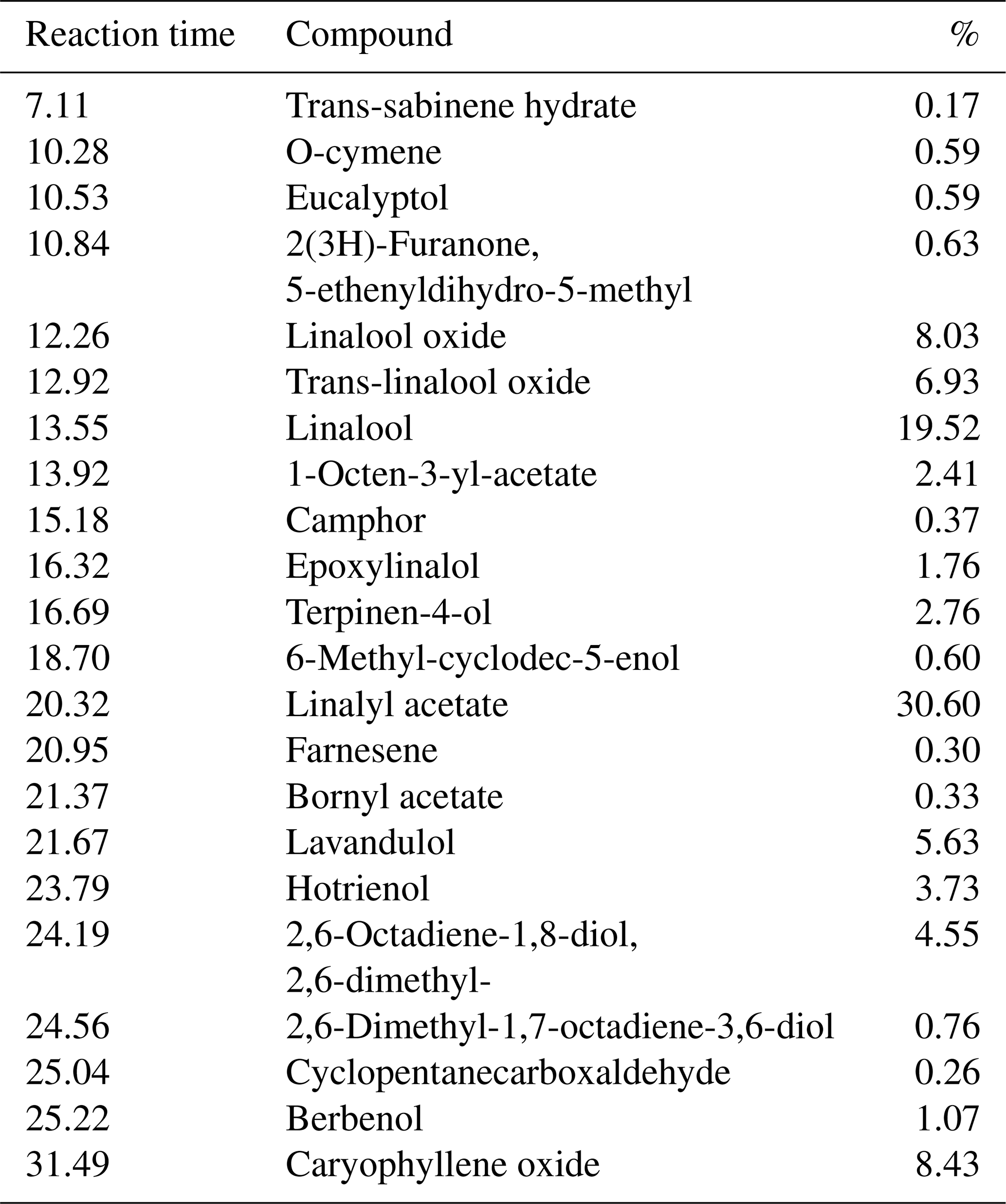
Table 2Lamb grower feed raw materials and nutrient concentrations.
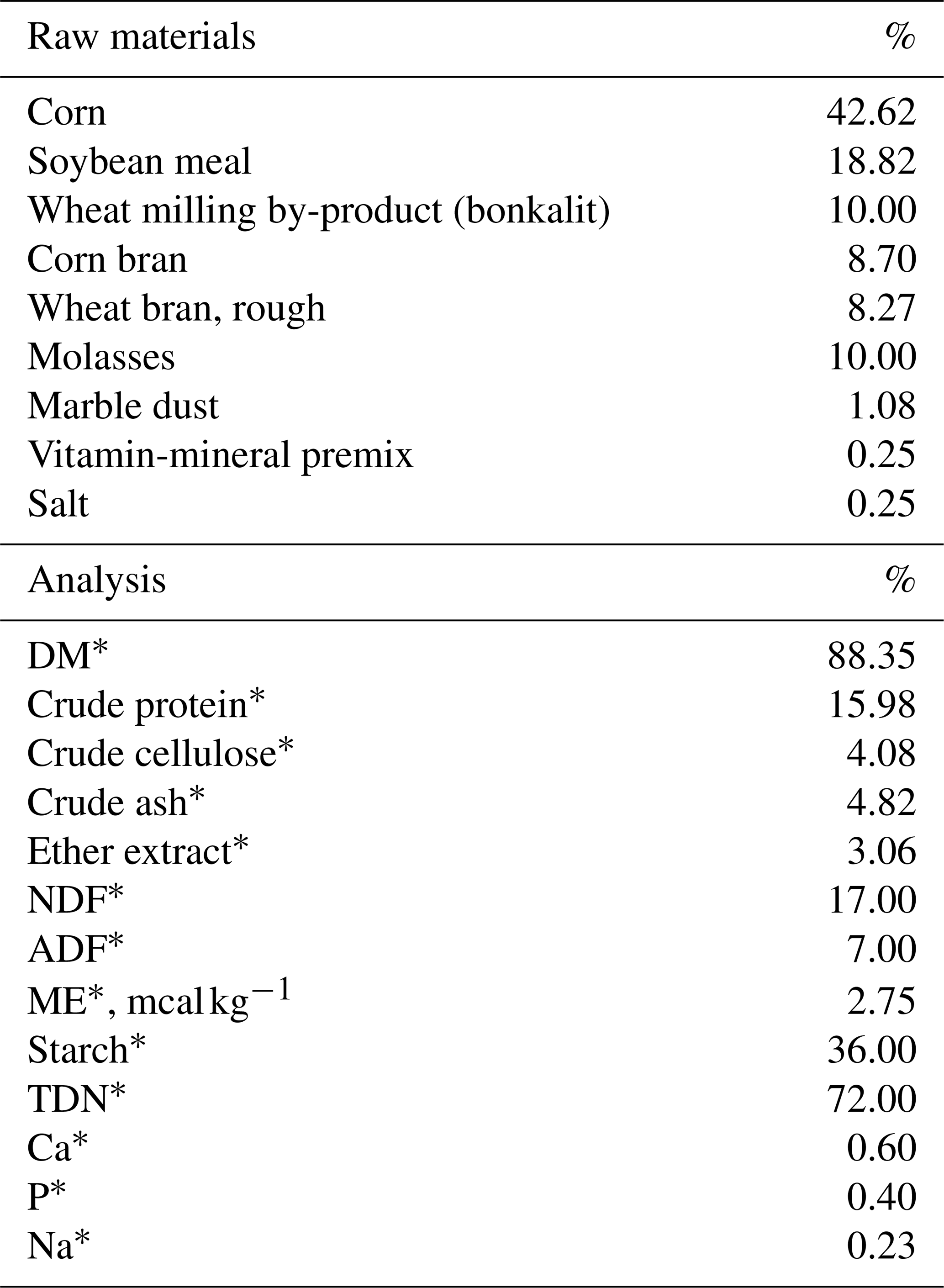
∗ DM: dry matter, NDF: nötral detergan fibre, ADF: acid detergan fibre, ME, mcal kg−1: metabolic energy megacalories/kilogram, TDN: total digestible nutrients, Ca: calcium, P: phosphorus, Na: sodium.
Table 3Nutrient concentrations of alfalfa hay used in the feed.
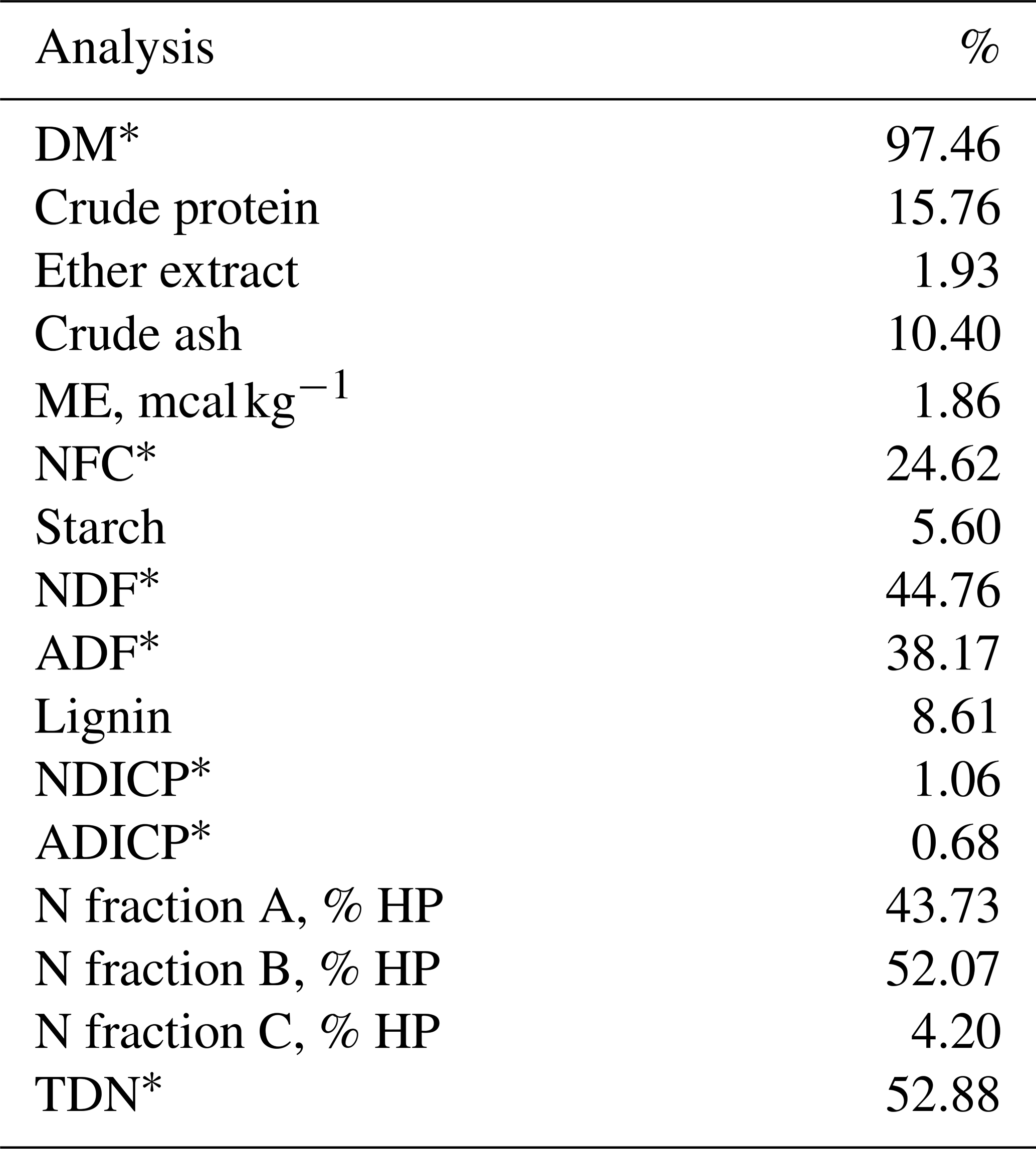
∗ DM: dry matter, NFC: non-cellulose carbohydrates, ME, mcal kg−1: metabolic energy (megacalories per kilogram), NDF: neutral detergent fibre, ADF: acid detergent fibre, NDICP: crude protein insoluble in neutral detergent, ADICP: crude protein insoluble in acid detergent, N fraction A, % HP: fraction A % crude protein, N fraction B, % HP: fraction B % crude protein, N fraction C, % HP: fraction C % crude protein, TDN: total digestible nutrients.
2.1 Gas chromatography-mass spectrometry (GC-MS) analysis of lavender oil
Gas chromatography (GC) analyses were performed using a Perkin-Elmer Clarus 500 Series system operating in split mode (split ratio 25:1), equipped with a flame ionisation detector (FID) and a TG-5MS apolar capillary column (30 m × 0.25 mm i.d., 0.25 µm film thickness) coupled to a mass spectrometer. The injector temperature was maintained at 250 °C. Helium was utilised as the carrier gas at a constant flow rate of 1.0 mL min−1. The oven temperature programme for the TG-5MS column was initiated at 50 °C, increased to 120 °C at a rate of 3 °C min−1, further increased to 220 °C at 3 °C min−1 (held for 0.67 min−1) and finally raised to 250 °C at 5 °C min−1, where it was held for 5.0 min. For the mass spectrometer, the transfer line temperature was set to 250 °C, and the ionisation energy was maintained at 70 eV. Volatile compounds were identified by comparing their mass spectra with the WILEY and NIST libraries using relative peak areas.
2.2 Fattening performance parameters
The experimental period lasted for 9 weeks. Following the initial body weight measurement (day 0), a second weighing was performed on day 7 to conclude the acclimatisation period. Thereafter, the lambs were weighed individually every 14 d. Total live weight gain (LWG) was calculated by subtracting the initial body weight from the final body weight. Daily feed intake (FI) was determined by subtracting the refused feed from the total feed offered daily on a pen basis. The feed conversion ratio (FCR) was calculated as the ratio of daily feed intake to daily live weight gain.
2.3 Serum biochemical parameters
At the conclusion of the study (day 56), blood samples were collected from the left jugular vein of all lambs under sterile conditions following shaving and local disinfection of the neck area. Blood sampling was performed at 08:00 prior to the morning feeding following an overnight 12 h fasting period. Blood was drawn into 10 mL plain vacuum tubes containing clot activator and gel separator (BD Vacutainer®). The samples were allowed to clot in an upright position at room temperature (22–24 °C) for 30 min. Blood serum was separated via centrifugation at 3000 × g for 15 min at 4 °C. Following centrifugation, serum was immediately visually inspected for haemolysis and lipemia; any haemolysed or severely lipemic samples were excluded from the analysis. Clear serum supernatant was aliquoted into multiple 1.5 mL microcentrifuge tubes to avoid repeated freeze–thaw cycles and stored at −80 °C for a maximum duration of 2 months prior to analysis. Serum biochemical parameters (including glucose, total protein, albumin, blood urea nitrogen, creatinine, alanine aminotransferase (ALT), aspartate aminotransferase (AST), total cholesterol and triglycerides) were determined using commercial diagnostic reagent kits (Mindray Medical International Ltd.) according to the manufacturer's protocols on an automated analyser (Mindray BS200).
2.4 Fatty acid composition analysis
At the end of the study, six lambs randomly selected from each group were slaughtered under aseptic conditions. Post-slaughter, tissue samples were obtained from the Musculus longissimus dorsi of each carcass. Following homogenisation of the muscle tissue, total lipids were extracted using a chloroform/methanol solution. The fatty acid composition of the extracted lipid samples was determined via gas chromatography-flame ionisation detection (GC-FID) after conversion to fatty acid methyl esters (FAMEs). The extracted oils were saponified following standard IUPAC procedures. Subsequently, fatty acids were esterified using 10 % () methanolic boron trifluoride (BF3-MeOH) as the methylation reagent. The methylation of total lipids to obtain FAMEs was performed in accordance with official AOAC methods (Kisa et al., 2020; Yeşilayer and Genç, 2013).
Chromatographic analysis was carried out using a Thermo Scientific Trace 1310 GC system equipped with an FID and operated in split mode (split ratio 50:1). The system was fitted with an RTX-2330 apolar capillary column (30 m × 0.25 mm i.d., 0.2 µm film thickness; Restek). Helium served as the carrier gas at a flow rate of 1.0 mL min−1. The injector and detector temperatures were maintained at 250 °C and 260 °C, respectively. The oven temperature programme was configured as follows: initially held at 70 °C, increased to 120 °C at a rate of 4 °C min−1, then immediately increased to 180 °C at 2 °C min−1 and held for 3 min. Subsequently, the temperature was raised to 200 °C at 4 °C min−1 (held for 3 min) and finally increased to 230 °C at 7 °C min−1 with a final hold time of 5.21 min. Fatty acid peaks were identified by comparing their retention times with an authentic standard mixture (Supelco 37 Component FAME Mix). The relative concentration of individual fatty acids was expressed as a percentage of the total identified fatty acids based on the integrated peak areas.
2.5 Statistical analysis
Arithmetic means were used as descriptive statistics for the groups, and the standard error of the mean (SEM) was applied as a measure of distribution. The normality of the data distribution was assessed using the Kolmogorov–Smirnov test. One-way analysis of variance (ANOVA) was performed to determine the statistical significance of observed differences among the groups, and Duncan's post-hoc test was utilised for multiple comparisons. Statistical significance was declared at p<0.05. All statistical analyses were executed using the IBM SPSS Statistics 20 software package (SPSS, 2011).
No statistically significant differences were observed among the experimental groups regarding initial and final live weights, daily live weight gain, feed intake and the feed conversion ratio (p > 0.05; Table 4).
Table 4Effect of lavender oil on performance parameters in lambs.

a Mean ± standard error values were used for all groups. b p: statistical difference between experimental groups was determined to be significant at p<0.05.
Table 5Effect of lavender oil on serum biochemistry parameters in fattening lambs.
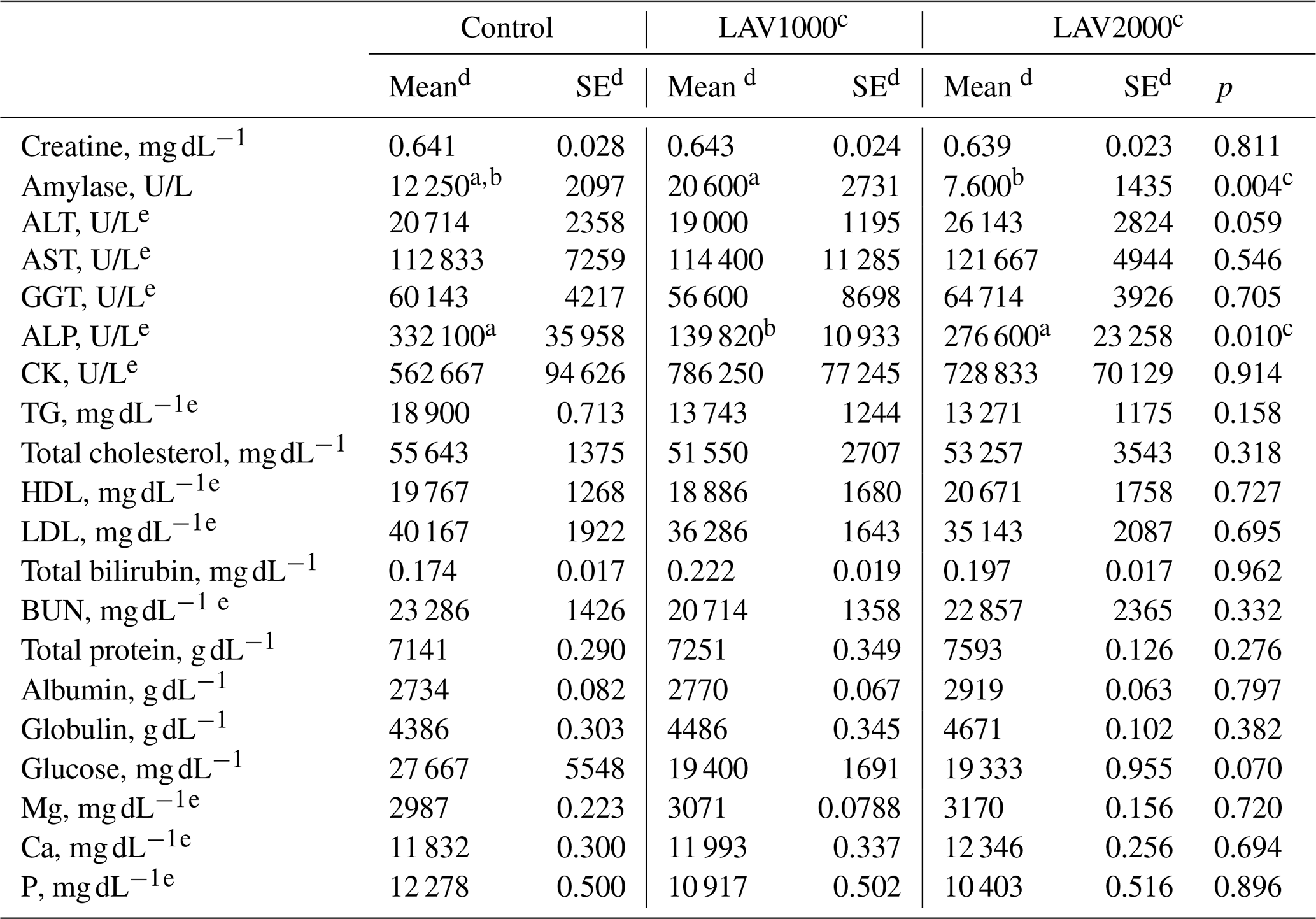
a,b Differences between means indicated by different letters in the same row are significant (P<0.05). c LAV1000: lavender 1000 mg, LAV2000: 2000 mg. d Mean: average, SE: standard error. e BUN: blood urea nitrogen, ALT: alanine aminotransferase, AST: aspartate aminotransferase, GGT: gamma-glutamyl transferase, CK: creatine kinase, TG: triglycerides, HDL: high-density lipoprotein, LDL: low-density lipoprotein, Mg: magnesium, Ca: calcium, P: phosphorus.
Regarding serum biochemical parameters, statistically significant differences among the treatment groups were detected in serum amylase and alkaline phosphatase (ALP) levels (P<0.05; Table 5). In contrast, no statistically significant treatment effects were observed for creatinine, urea, blood urea nitrogen (BUN), total cholesterol, alanine aminotransferase (ALT), aspartate aminotransferase (AST), gamma-glutamyl transferase (GGT), creatine kinase (CK), total bilirubin, phosphorus, high-density lipoprotein (HDL), low-density lipoprotein (LDL), triglycerides (TG), albumin, total protein, globulin, albumin/globulin (A/G) ratio, glucose, magnesium or calcium (P>0.05).
Table 6The effect of lavender oil on individual and total fatty acid profile in lamb meat.
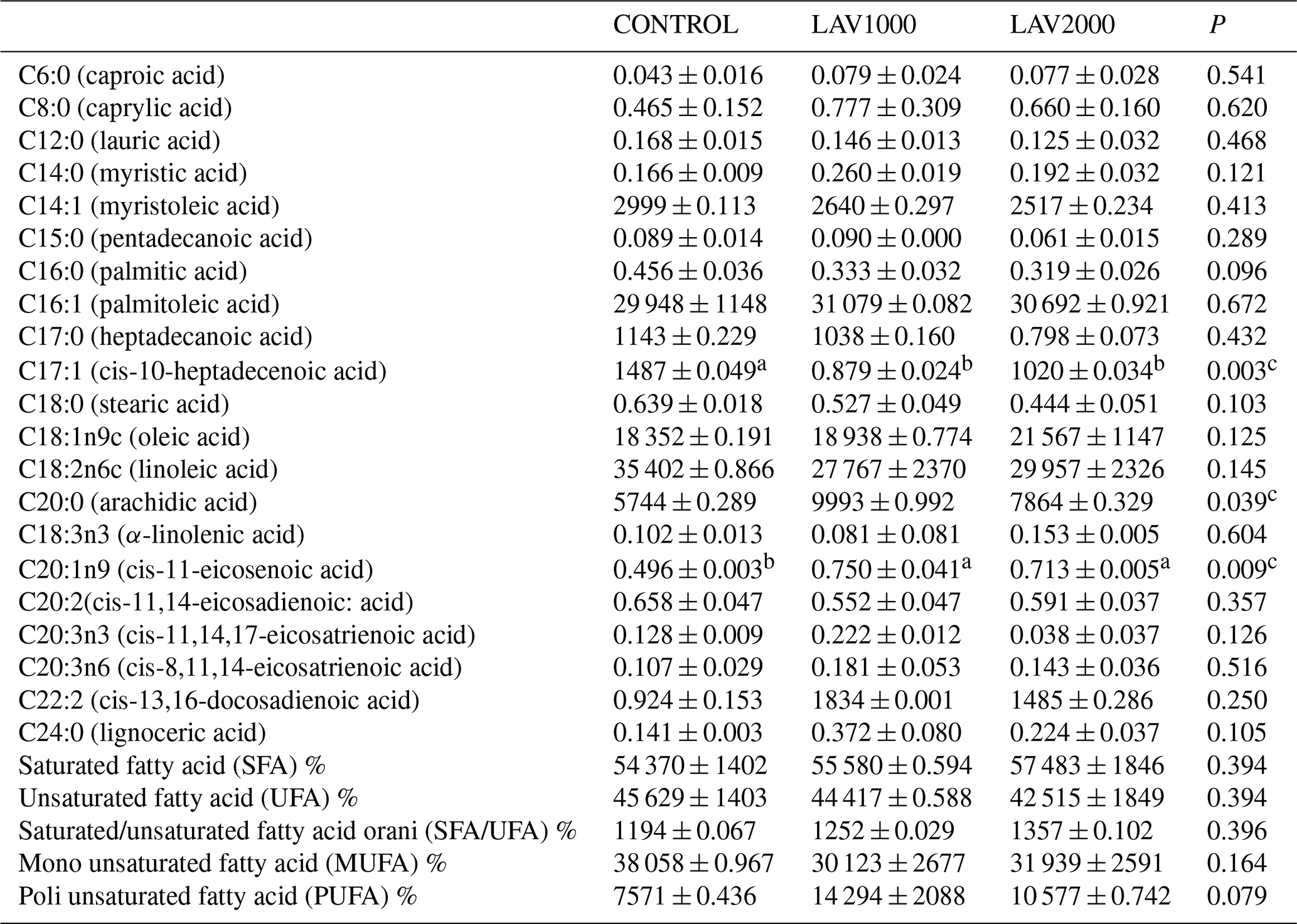
a,b Differences between means indicated by different letters in the same row are significant (P < 0.05). c Mean ± standard error values were used for all groups. d p: statistical difference between experimental groups was determined to be significant at p<0.05.
In the fatty acid composition analysis, statistically significant differences were determined among the experimental groups in terms of cis-10-heptadecenoic acid, cis-11-eicosenoic acid and arachidic acid concentrations (p < 0.05; Table 6).
The active compounds in phytogenic oils are suggested to modulate gut microbial flora, alter ruminal fermentation patterns and stimulate the secretion of endogenous digestive enzymes, thereby potentially enhancing growth performance in farm animals (Brenes and Roura, 2010; Smeti et al., 2015). In small ruminants, essential oil supplementation has generally been reported to influence growth performance and nutrient digestibility by modulating ruminal volatile fatty acid production and inhibiting hyper-ammonia-producing bacteria (Parvar et al., 2018). Specifically, the dietary inclusion of Lamiaceae family plant extracts, such as thyme and rosemary, demonstrated positive effects on daily weight gain and feed conversion ratio in fattening lambs (Bampidis et al., 2005; Giannenas et al., 2018). However, responses to essential oils in ruminants remain inconsistent; several authors observed no significant improvements in performance parameters when feeding plant extracts to small ruminants (Botsoglou et al., 2002; Reisinger et al., 2011), which aligns with our present findings. In the present study, no statistically significant differences were observed among groups for final live weight, average daily gain or feed conversion ratio (p>0.05). Nevertheless, a numerical increase in final live weight and average daily gain was noted in the Lav1000 group compared to the control group, suggesting a potential positive trend at moderate doses. Owing to the limited body of literature evaluating pure lavender essential oil in small ruminants, indirect evidence from monogastric models (e.g. poultry) suggests that lavender oil active compounds, such as linalool, may stimulate digestive enzyme secretion and improve feed efficiency (Nasiri-Moghaddam et al., 2012; Adaszyńska-Skwirzyńska and Szczerbińska, 2018). However, because essential oils undergo extensive bio-transformation by ruminal microbiota in lambs, direct extrapolation from monogastrics should be interpreted with caution. The substantial variability in the efficacy of phytogenic feed additives on lamb growth performance across different studies may stem from variations in animal genetics, basal diet composition, ruminal microbial adaptation, plant chemotypes and administration methods.
Regarding serum biochemical profiles, the oral administration of lavender essential oil did not result in statistically significant changes in serum triglyceride (p=0.158) or LDL cholesterol (p=0.695) concentrations among the treatment groups. Although mean values for triglycerides and LDL cholesterol were numerically lower in the Lav1000 and Lav2000 groups compared to the control group, these numerical variations must be interpreted with caution as they do not represent a definitive lipid-lowering effect. In literature evaluating phytogenic additives, the absence of significant alterations in blood biochemical markers is frequently reported (Najafi and Torki, 2010; Khattak et al., 2014; Kim et al., 2016). For instance, Adaszyńska-Skwirzyńska and Szczerbińska (2019) similarly observed no significant modifications in circulating cholesterol or triglyceride levels following lavender oil supplementation. Hypothetically, active monoterpenes present in lavender essential oil – specifically linalool and linalyl acetate (as characterised in Table 1) – have been speculated in physiological literature to modulate hepatic cholesterol biosynthesis by inhibiting β-hydroxy β-methylglutaryl-CoA (HMG-CoA) reductase activity. However, because hepatic enzyme activities were not directly evaluated in the present study, this mechanism remains speculative. Furthermore, while essential oil supplementation in ruminants can indirectly influence systemic energy metabolism by altering ruminal propionate production and downstream metabolites such as non-esterified fatty acids (NEFA) and β-hydroxybutyrate (BHBA) (Soltan et al., 2018; Orzuna-Orzuna et al., 2022), ruminal fermentation parameters were not measured in this trial. Therefore, whether the observed numerical trends in serum lipids are related to ruminal microbial shifts or hepatic lipid metabolism warrants further investigation in studies incorporating ruminal VFA and liver enzyme assays. This implies that essential oils can improve energy balance in small ruminants. Although information on the precise mechanisms of essential oils on lipid metabolism in small ruminants remains limited, specific terpenoids have been shown in murine models to inhibit hepatic cholesterol biosynthesis and downregulate genes involved in fatty acid synthesis, such as Fas, Scd1 and Acc1 (Jun et al., 2015). Similar biochemical pathways triggered by lavender oil components may explain the lower serum LDL and triglyceride levels observed in this study. Furthermore, lavender administration had no significant effect on serum albumin, globulin or the albumin:globulin ratio. This aligns with previous reports stating that supplemental essential oils do not alter these protein fractions, indicating no adverse effects on protein catabolism or overall nutritional status in small ruminants (Orzuna-Orzuna et al., 2022).
In the present study, blood serum urea nitrogen (BUN) concentrations were not significantly affected by lavender essential oil administration (P>0.05, Table 5), remaining within standard physiological ranges for growing lambs. Although previous meta-analyses and literature on essential oil supplementation in small ruminants have occasionally reported reductions in BUN – hypothesised to stem from reduced ruminal deamination by hyper-ammonia-producing bacteria (Orzuna-Orzuna et al., 2022) – no such effect was observed under the conditions of our study. Furthermore, because ruminal fermentation characteristics (such as ruminal NH3-N and short-chain fatty acid concentrations) were not evaluated in the present trial, any potential influence of lavender oil on ruminal nitrogen partitioning remains purely speculative. Similarly, although active monoterpenes in essential oils are widely recognised in literature for their antioxidant potential (Vasta and Luciano, 2011), systemic antioxidant markers were not quantified in this study and warrant direct evaluation in future investigations.
Numerous investigations have evaluated the effects of dietary essential oils on the muscle fatty acid profiles of ruminants. In ruminants, dietary unsaturated fatty acids undergo extensive microbial biohydrogenation by ruminal microorganisms (such as Butyrivibrio fibrisolvens), converting polyunsaturated fatty acids (PUFA) into saturated fatty acids (SFA) prior to intestinal absorption. Bioactive compounds present in essential oils can modulate this process by selectively influencing biohydrogenating bacteria, potentially altering the fatty acid composition reaching the post-ruminal tissues (Vasta and Luciano, 2011; Chikwanha et al., 2018). In the present study, the oral administration of lavender essential oil induced specific changes in long-chain fatty acid proportions in lamb muscle tissue. Compared to the control group, significant increases were detected in cis-11-eicosenoic acid (C20:1c11) and arachidic acid (C20:0) proportions in the lavender-supplemented groups (P<0.05). Conversely, a statistically significant reduction was observed in cis-10-heptadecenoic acid (C17:1c10) levels (P<0.05). Rather than representing an overall improvement in the nutritional value of the meat, these shifts reflect specific alterations in minor long-chain saturated and monounsaturated fatty acid fractions. Notably, arachidic acid is a long-chain saturated fatty acid; thus, its accumulation should be described neutrally rather than as a favourable outcome for human health. These observed variations suggest that lavender oil active metabolites (primarily linalool and linalyl acetate) exerted a localised or minor influence on ruminal biohydrogenation kinetics or tissue fatty acid incorporation, although the broader nutritional and organoleptic implications of these minor shifts remain limited and require further research.
Overall, no detrimental shifts in individual or total fatty acid concentrations occurred as a result of ruminal biohydrogenation. This is consistent with studies reporting that lavender oil supplementation does not adversely alter the baseline fatty acid matrix of meat products. Despite the extensive breakdown of unsaturated fatty acids by rumen microorganisms, strategic dietary lipid or essential oil supplementation remains the most viable method to favourably manipulate the fatty acid profile of ruminant products (Alvarenga et al., 2015; Jaturasitha et al., 2016; Chikwanha et al., 2018).
In conclusion, the present study demonstrated that the oral administration of lavender essential oil at tested dose levels did not alter growth performance, blood serum biochemical parameters (including BUN, triglycerides and cholesterol levels) or overall health status in growing Kangal Akkaraman lambs. However, lavender essential oil supplementation exerted specific minor shifts in muscle fatty acid composition, significantly increasing cis-11-eicosenoic acid (C20:1c11) and arachidic acid (C20:0) proportions while decreasing cis-10-heptadecenoic acid (C17:1c10) levels. Given that these fatty acid modifications carry limited nutritional implications and ruminal fermentation parameters were not directly quantified, further comprehensive studies incorporating ruminal sampling, volatile fatty acid profiling and oxidative stress markers are warranted to elucidate the precise metabolic pathways of lavender essential oil in small ruminants. The present study demonstrates that the direct oral administration of lavender (Lavandula angustifolia) essential oil to male Kangal Akkaraman lambs at doses of 1000 and 2000 mg does not adversely affect the growth performance, feed intake or feed conversion ratio. The oral administration of lavender essential oil did not result in statistically significant alterations in serum triglyceride (P=0.158) or LDL cholesterol (P=0.695) concentrations among the treatment groups (Table 5). Although mean values for serum triglycerides and LDL cholesterol were numerically lower in the Lav1000 and Lav2000 groups compared to the control group, these non-significant numerical variations cannot be interpreted as evidence of an improved lipid metabolism or enhanced metabolic health. Furthermore, all measured serum lipid parameters across both control and treatment groups remained well within established physiological reference intervals for growing lambs (e.g. triglycerides: 0.15–0.50 mmol L−1; total cholesterol: 1.3–3.2 mmol L−1). Because baseline (pre-experimental) serum biochemical values were not recorded prior to treatment initiation, and post-treatment differences lacked statistical significance, these numerical shifts reflect normal biological variations rather than a definitive treatment-induced hypolipidemic effect. Future studies evaluating phytogenic feed additives in small ruminants should incorporate pre-trial baseline blood sampling and age-matched clinical reference ranges to better assess potential subtle shifts in systemic lipid homeostasis.
In conclusion, establishing precise alternative delivery methods and therapeutic dosages – such as individual oral administration – can maximise the beneficial systemic effects of essential oils on animal health and product quality. These findings suggest that lavender essential oil has the potential to serve as a safe, natural bio-additive in small ruminant production, offering a viable alternative to synthetic growth promoters without contributing to the global risk of antimicrobial resistance. Future long-term studies are recommended to further elucidate the underlying molecular mechanisms of lavender oil on ruminal fermentation and tissue-specific gene expressions.
The datasets generated during and/or analysed during the current study are not publicly available due to university data restrictions but are available from the corresponding author on reasonable request.
AO, HIT and OK planned the study. AO and OK conducted the measurements. AO analysed the data. AO and HIT wrote the article draft. AO, HIT and OK reviewed and edited the article.
The contact author has declared that none of the authors has any competing interests.
Publisher's note: Copernicus Publications remains neutral with regard to jurisdictional claims made in the text, published maps, institutional affiliations, or any other geographical representation in this paper. The authors bear the ultimate responsibility for providing appropriate place names. Views expressed in the text are those of the authors and do not necessarily reflect the views of the publisher.
This study has been carried out with approval from the Sivas Cumhuriyet University (39°42′34.8′′ N, 37°01′13.0′′ E), Animal Experiments Local Ethics Board (approval number 608/2023).
We thank the Sivas Cumhuriyet University Scientific Research Projects Coordination Unit for their financial support in carrying out part of this study.
This study was produced with grant support provided by the Scientific Research Projects Fund of Sivas Cumhuriyet University in Sivas, Türkiye (project number V-2023-131) and is based on Halil İbrahim Toprak's thesis project titled “The Effect of Lavender Oil Added to Lamb Rations on Fattening Performance and Blood Parameters”.
This paper was edited by Franziska Koch and reviewed by two anonymous referees.
Adaszyńska-Skwirzyńska, M. and Szczerbińska, D.: The antimicrobial activity of lavender essential oil (Lavandula angustifolia) and its influence on the production performance of broiler chickens, J. Anim. Physiol. Anim. Nutr., 102, 1020–1025, https://doi.org/10.1111/jpn.12907, 2018.
Adaszyńska-Skwirzynska, M. and Szczerbinska, D.: The effect of lavender (Lavandula angustifolia) essential oil as a drinking water supplement on the production performance, blood biochemical parameters, and ileal microflora in broiler chickens, Poult. Sci., 98, 358–365, https://doi.org/10.3382/ps/pey385, 2019.
Alvarenga, T. I. R. C., Chen, Y., Furusho-Garcia, I. F., Perez, J. R. O., and Hopkins, D. L.: Manipulation of omega-3 PUFAs in lamb: Phenotypic and genotypic views, Compr. Rev. Food Sci. Food Saf., 14, 189–204, https://doi.org/10.1111/1541-4337.12131, 2015.
Bampidis, V. A., Christodoulou, V., Florou-Paneri, P., Christaki, E., Chatzopoulou, P. S., Tsiligianni, T., and Spais, A. B.: Effect of dietary dried oregano leaves on growth performance, carcass characteristics and serum cholesterol of female early maturing turkeys, Br. Poult. Sci., 46, 595–601, https://doi.org/10.1080/00071660500256057, 2005.
Botsoglou, N. A., Florou-Paneri, P., Christaki, E., Fletouris, D. J., and Spais, A. B.: Effect of dietary oregano essential oil on performance of chickens and on iron-induced lipid oxidation of breast, thigh and abdominal fat tissues, Br. Poult. Sci., 43, 223–230, https://doi.org/10.1080/00071660120121436, 2002.
Brenes, A. and Roura, E.: Essential oils in poultry nutrition: Main effects and modes of action, Anim. Feed Sci. Technol., 158, 1–14, https://doi.org/10.1016/j.anifeedsci.2010.03.007, 2010.
Chikwanha, O. C, Vahmani, P., Muchenje, V., Dugan, M. E. R., and Mapiye, C.: Nutritional enhancement of sheep meat fatty acid profile for human health and wellbeing, Food Res. Int., 104, 25–38, https://doi.org/10.1016/j.foodres.2017.05.005, 2018.
Dioscorides, P.: Dioscoridis libri octo graecae et latinae, Paris, 1549, https://www.loc.gov/resource/gdcwdl.wdl_10632/?st=gallery (last access: 10 October 2024).
Giannenas, I., Bonos, E., Skoufos, I., Tzora, A., Stylianaki, I., Lazari, D., and Florou-Paneri, P.: Effect of herbal feed additives on performance parameters, intestinal microbiota, intestinal morphology and meat lipid oxidation of broiler chickens, Br. Poult. Sci., 59, 545–553, https://doi.org/10.1080/00071668.2018.1483577, 2018.
Glinka, R. and Glinka, M.: Cosmetic recipe with elements of cosmetology, MA Publishing, Lodz, Poland, 70–73, ISBN-13: 978-8392351719, 2008.
Gorji, A.: Pharmacological treatment of headache using traditional persian medicine, Trends Pharmacol. Sci., 247, 331–334, https://doi.org/10.1016/S0165-6147(03)00164-0, 2003.
Hajhashemi, V., Ghannadi, A., and Sharif, B.: Anti-inflammatory and analgesic properties of the leaf extracts and essential oil of Lavandula angustifolia Mill., J. Ethnopharmacol., 89, 67–71, https://doi.org/10.1016/s0378-8741(03)00234-4, 2003.
Jaturasitha, S., Chaiwang, N., Kayan, A., and Kreuzer, M.: Nutritional strategies to improve the lipid composition of meat, with emphasis on Thailand and Asia, Meat Sci. 120, 157–166, https://doi.org/10.1016/j.meatsci.2016.04.014, 2016.
Jun, G., Wing, M. K., Abecasis, G. R., and Kang, H. M.: An efficient and scalable analysis framework for variant extraction and refinement from population-scale DNA sequence data, Genome Res., 25, 918–925, https://doi.org/10.1101/gr.176552.114, 2015.
Khattak, F., Ronchi, A., Castelli, P., and Sparks, N.: Effects of natural blend of essential oil on growth performance, blood biochemistry, cecal morphology, and carcass quality of broiler chickens, Poult. Sci., 93, 132–137, https://doi.org/10.3382/ps.2013-03387, 2014.
Kim, S. J., Lee, K. W., Kang, C. W., and An, B. K.: Growth Performance, Relative Meat and Organ Weights, Cecal Microflora, and Blood Characteristics in Broiler Chickens Fed Diets Containing Different Nutrient Density with or without Essential Oils, Asian-Australas. J. Anim. Sci., 29, 549–554, https://doi.org/10.5713/ajas.15.0426, 2016.
Kırkpınar, F., Unulu, H. B., and Özdemir, G.: Effects of oregano and garlic essential oils on performance, carcase, organ and blood characteristics and intestinal microfora of broilers, Livest. Sci., 137, 219–225, https://doi.org/10.1016/j.livsci.2010.11.010, 2011.
Kisa, D., Ozturk, L., Saglam, N., Kayir, O., Elmastas, M., and Doker, S.: Fatty acids and physiological responses of corn leaves exposed to heavy metals, Acta Sci. Pol. Hortorum Cultus, 19, 3–14, https://doi.org/10.24326/asphc.2020.3.1, 2020.
Küçükyılmaz, K., Kıyma, Z., Akdağ, A., Çetinkaya, M., Atalay, H., Ateş, A., Gürsel, F. E., and Bozkurt, M.: Effect of lavender (Lavandula stoechas) essential oil on growth performance, carcass characteristics, meat quality and antioxidant status of broilers, S. Afr. J. Anim. Sci., 47, 178–186, https://doi.org/10.4314/sajas.v47i2.9, 2017.
Najafi, P. and Torki, M.: Performance, Blood Metabolites and Immunocompetence of Broiler Chicks Fed Diets Included Essentioal Oils of Medicinal Herbs, J. Anim. Vet. Adv., 9, 1164–1168, https://doi.org/10.3923/javaa.2010.1164.1168, 2010.
Nasiri-Moghaddam, H., Hassanabadi, A., and Bidar, N.: Effects of increasing levels of lavender essential oil (Lavandula angustifolia) on performance and hematological traits of broilers, Iran. J. Appl. Anim. Sci., 4, 115–121, 2012.
NRC: Nutrient requirements of sheep, 6th edn., National Academy of Sciences, National Research Council, Washington, D.C., ISBN-13: 9780309035965, 1985.
Orzuna-Orzuna, J. F., Dorantes-Iturbide, G., Lara-Bueno, A., Miranda-Romero, L. A., Mendoza-Martínez, G. D., and Santiago-Figueroa, I.: A Meta-Analysis of Essential Oils Use for Beef Cattle Feed: Rumen Fermentation, Blood Metabolites, Meat Quality, Performance and, Environmental and Economic Impact, Fermentation, 8, 254, https://doi.org/10.3390/fermentation8060254, 2022.
Özbilgin, A. and Kara, K.: Effect of adding lavender oil to laying quail diets on performance, egg quality, oxidative status, and fatty acid profile, Trop. Anim. Health Prod., 55, 173, https://doi.org/10.1007/s11250-023-03596-2, 2023.
Özbilgin, A., Moğulkoç, M. N., Kara, K., Urçar Gelen, S., Karataş, Ö., and Ülger Özbek, D.: Effects of Lavender (Lavandula Angustifolia) Essential Oil on Fattening Performance, Meat Quality, Serum Antioxidant Enzymes, Gut Microbiota and Intestinal Histomorphology in Japanese Quails, Rev. Bras. Cienc. Avic., 25, 1–16, https://doi.org/10.1590/1806-9061-2023-1796, 2023.
Parvar, R., Ghoorchi, T., Kashfi, H., and Parvar, K.: Effect of Ferulago angulata (Chavil) essential oil supplementation on lamb growth performance and meat quality characteristics, Small Rumin. Res., 167, 48–54, https://doi.org/10.1016/J.SMALLRUMRES.2018.07.026, 2018.
Peana, A. T., D'Aquila, P. S., Panin, F., Serra, G., Pippia, P., and Moretti, M. D. L.: Anti-inflammatory activity of linalool and linalyl acetate constituents of essential oils, Phytomedicine., 9, 721–726, https://doi.org/10.1078/094471102321621322, 2002.
Reisinger, N., Steiner, T., Nitsch, S., Schatzmayr, G., and Applegate, T. J.: Effects of a blend of essential oils on broiler performance and intestinal morphology during coccidial vaccine exposure, J. Appl. Poult. Res., 20, 272–283, https://doi.org/10.3382/japr.2010-00226, 2011.
Renaud, E. N. C., Denys, C. J., and Simon, J. E.: Essential oil quantity and composition from 10 cultivars of organically grown lavender and lavandin, J. Essent. Oil Res., 13, 269–273, https://doi.org/10.1080/10412905.2001.9699691, 2001.
Salarmoini, M., Salajegheh, A., Salajegheh, M. H., and Afsharmanesh, M.: The Effect of Lavender (Lavandula angustifolia) Extract in Comparison to Antibiotic on Growth Performance, Intestinal Morphology, Ileal Microflora, Antioxidant Status and Meat Quality of Broilers, J. Appl. Anim. Res., 9, 717–725, 2019.
Saleh, N., Allam, T., El-Latif, A. A., and Ghazy, E.: The effects of dietary supplementation of different levels of thyme (Thymus vulgaris) and ginger (Zingiber officinale) essential oils on performance, hematological, biochemical and immunological parameters of broiler chickens, GV, 12 736–744, 2014.
Sasannejad, P., Saeedi, M., Shoeibi, A., Gorji, A., Abbasi, M., and Foroughipour, M.: Lavender essential oil in the treatment of migraine headache: a placebo-controlled clinical trial, Eur. Neurol., 67, 288–291, https://doi.org/10.1159/000335249, 2012.
Smeti, S., Joy, M., Hajji, H., Alabart, J. L, Muñoz, F., Mahouachi, M., and Atti, N.: Rosmarinus and Dairy Sheep Production, Anim. Sci. J., 86, 679–688, https://doi.org/10.1111/asj.12352. 2015.
Soltan, Y. A., Hashem, N. M., Morsy, A. S., El-Azrak, K. M., El-Din, A. N., and Sallam, S. M.: Comparative effects of Moringa oleifera root bark and monensin supplementations on ruminal fermentation, nutrient digestibility and growth performance of growing lambs, Anim. Feed Sci. Technol., 235, 189–201, https://doi.org/10.1016/j.anifeedsci.2017.11.021, 2018.
SPSS: Statistical packages for the social sciences, 20th edn., IBM, Chicago, https://www.ibm.com/support/pages/spss-statistics-20-available-download (last access: 15 April 2026), 2011.
Vasta, V. and Luciano, G.: The effects of dietary consumption of plants secondary compounds on small ruminants' products quality, Small Rumin. Res., 101, 150–159, https://doi.org/10.1016/j.smallrumres.2011.09.035, 2011.
Xu, F., Uebaba, K., Ogawa, H., Tatsuse, T., Wang, B. H., Hisajima, T., and Venkatraman, S.: Pharmaco-physio-psychologic effect of Ayurvedic oil-dripping treatment using an essential oil from Lavandula angustifolia, J. Altern. Complement. Med., 14, 947–956, https://doi.org/10.1089/acm.2008.0240, 2008.
Yeşilayer, N. and Genç, N.: Comparison of proximate and fatty acid compositions of wild brown trout and farmed rainbow trout, S. Afr. J. Anim. Sci., 43, 89–97, https://doi.org/10.4314/sajas.v43i1.11, 2013.
Zeng, Z., Zhang, S., Wang, H., and Paio, X.: Essential oil and aromatic plants as feed additives in non-ruminant nutrition: a review, J. Anim. Sci. Biotechnol., 6, 2–10, https://doi.org/10.1186/s40104-015-0004-5, 2015.